
How To Choose The Right Skincare Product For Your Specific Skin Type
25th December 2025 /
HIMAIRA
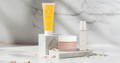
Finding the right skincare products can feel confusing. There are so many face washes, toners and creams in the market. How do you know which one is right for your skin?
Do not worry. We will make it super easy for you. Your skin is unique and the first step to healthy glowing skin is to understand your skin type. Once you know that, choosing the right products becomes simple. Let's start step by step.
Step 1: Know Your Skin Type
Before buying any skincare product, it is important to know your skin type. Here is how you can find out.
- Oily Skin: Your face gets shiny easily, especially on your forehead, nose and chin. You may have large pores and pimples.
- Dry Skin: Your skin feels tight, rough or flaky after washing. It may look dull and need more moisture.
- Combination Skin: Your skin has both oily and dry areas. Usually your T zone is oily and your cheeks are dry.
- Normal Skin: Your skin feels balanced, not too oily and not too dry.
Step 2: Choose Products Based on Your Skin Type
Now that you know your skin type, here is what you should look for in your skincare products.
Choosing Products For Oily Skin
Oily skin needs hydration just like any other skin type, but the texture of products matters a lot. Lightweight gel-based or water-based products help keep the skin moisturized without adding extra oil. Ingredients such as niacinamide help regulate oil production, while salicylic acid keeps pores clean and reduces breakouts. Heavy creams and oils should be avoided, as they can clog pores and increase acne.
Try our Hydro Bomb Intense Hydration Moisturizer. It keeps your skin fresh without making it greasy.
Choosing Products For Dry Skin
Dry skin requires products that focus on deep hydration and nourishment. Gentle, hydrating cleansers help prevent moisture loss, while rich moisturizers restore softness and comfort. Ingredients like hyaluronic acid attract moisture, shea butter nourishes the skin, and ceramides strengthen the skin barrier. Alcohol-based toners and harsh cleansers should be avoided because they can make dryness worse and damage the skin barrier.
Try our Hydro Bomb 72 Hour Hydration Moisturizer. It gives your skin deep and lasting moisture.
Choosing Products For Combination Skin
Combination skin can be tricky because different areas have different needs. Gentle cleansers work best to avoid stripping dry areas while still cleansing oily zones. Lightweight moisturizers help maintain balance without making the skin greasy. Ingredients like vitamin C help brighten the skin, green tea controls oil, and hyaluronic acid provides hydration without heaviness. Extremely drying or overly rich products can disrupt balance and should be used cautiously.
Try our Vitamin C Toner and Serum. It helps to brighten and balance your skin.
Choosing Products For Sensitive Skin
Sensitive skin needs extra-gentle care. Products should be fragrance-free and formulated to calm and protect the skin. Soothing ingredients like aloe vera, oat extract, and panthenol help reduce irritation and strengthen the skin barrier. Patch testing is essential before introducing any new product, and products should be added one at a time to avoid overwhelming the skin.
Try our Under Eye Mousse. It is light, calming and perfect for delicate skin.
Choosing Products For Normal Skin
Normal skin is generally balanced but still needs consistent care. A simple routine that includes cleansing, moisturizing, and sun protection is enough to maintain skin health. Even though normal skin tolerates most products, skipping sunscreen can lead to premature aging and damage over time.
Try our SPF 50 PA++++ Sunshine Lotion. It gives strong protection for everyday use
Step 3: Keep It Simple
A good skincare routine does not need to be complicated.
Follow these four easy steps every day.
- Cleanse - Wash away dirt and oil.
- Tone - Refresh and prepare your skin.
- Moisturize - Keep your skin soft and hydrated.
- Protect - Always use sunscreen in the morning.
You may also like
Disclaimer: The information in this article is for educational purposes only. It should not be substituted as professional medical advice, diagnosis, or treatment in any manner.